Useful Conversation Starters For Seniors And Their Families

Useful Conversation Starters For Seniors And Their Families

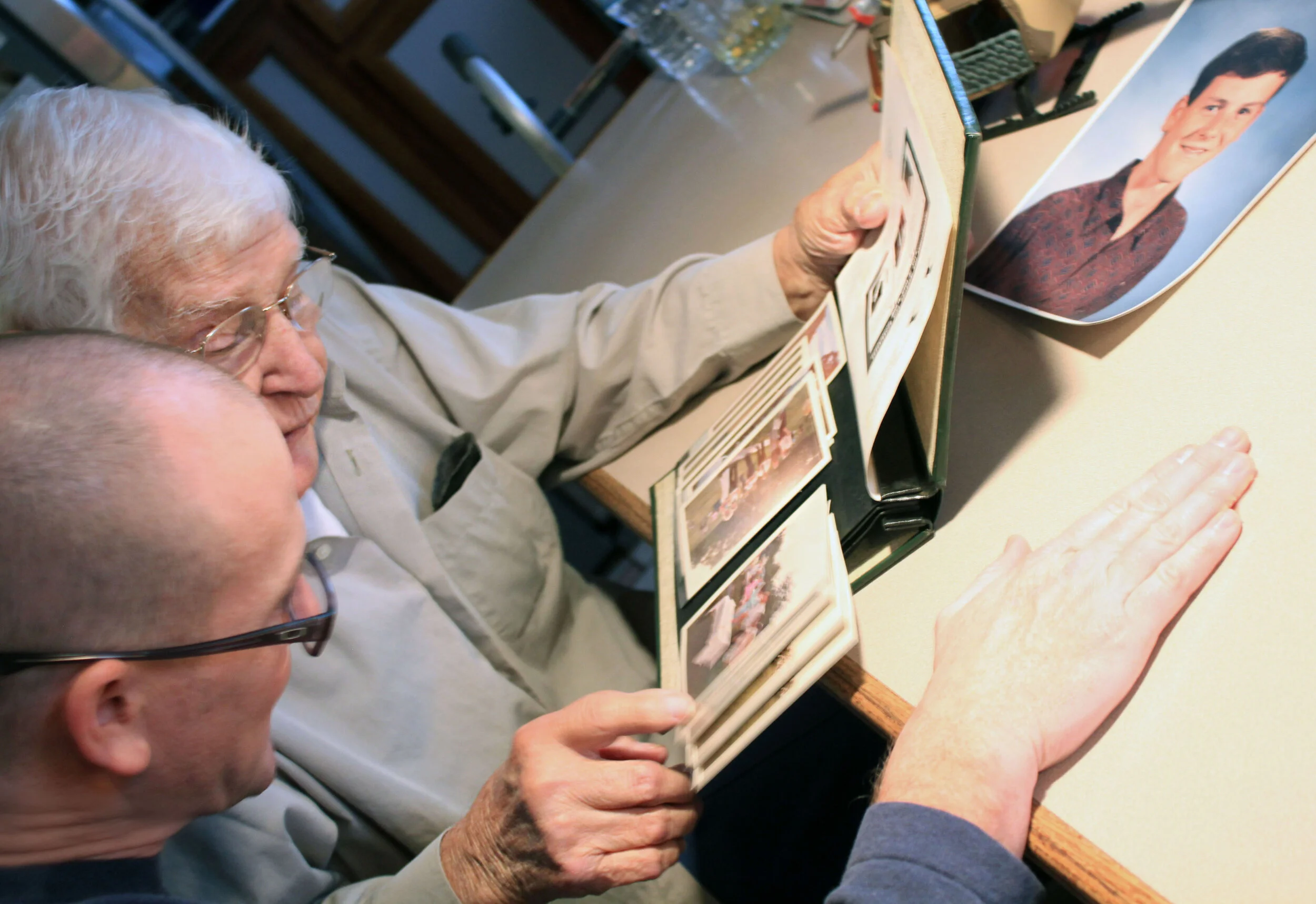
Aging is a dynamic process to be celebrated! It leads to new capabilities, and if encouraged, to the sharing of

knowledge. We will always advocate for older adults to share their knowledge and thoughts

because our community thrives when all its members are valued and supported.

Reduce Senior Fall Risks With A Home Safety Check

Reduce Senior Fall Risks With A Home Safety Check

A fall is often the top reason independent seniors lose their mobility and begin to fade from good health. Perils in a home add up over time and increase the risk of accidents, but while a fall is unpredictable, regular home safety checks help lower the odds and keep seniors safe.

In recognition of Alzheimer's disease's "Longest Day": 10 tips for brain health

On June 20th- the summer solstice and the day with the most light- people from across the world unite to fight the darkness of Alzheimer’s disease through awareness and fundraising events.  Check with your local Alzheimer’s Association for details on these events.  The Alzheimer’s Association encourages you to care for the health of your own brain by following these ten tips:

1) Break a sweat.  Engage in regular cardiovascular exercise that elevates your heart rate and increases blood flow to the brain and body. Several studies have found an association between physical activity and reduced risk of cognitive decline.

2) Hit the books.  Formal education in any stage of life will help reduce your risk of cognitive decline and dementia. For example, take a class at a local college, community center or online.

3) Butt out.   Evidence shows that smoking increases risk of cognitive decline. Quitting smoking can reduce that risk to levels comparable to those who have not smoked.

4) Follow your heart.  Evidence shows that risk factors for cardiovascular disease and stroke — obesity, high blood pressure and diabetes — negatively impact your cognitive health. Take care of your heart, and your brain just might follow.

5) Heads up!  Brain injury can raise your risk of cognitive decline and dementia. Wear a seat belt, use a helmet when playing contact sports or riding a bike, and take steps to prevent falls.

6) Fuel up right.  Eat a healthy and balanced diet that is lower in fat and higher in vegetables and fruit to help reduce the risk of cognitive decline. Although research on diet and cognitive function is limited, certain diets, including Mediterranean and Mediterranean-DASH (Dietary Approaches to Stop Hypertension), may contribute to risk reduction.

7) Catch some Zzz's.  Not getting enough sleep due to conditions like insomnia or sleep apnea may result in problems with memory and thinking concerns.

8) Take care of your mental health.  Some studies link a history of depression with increased risk of cognitive decline, so seek medical treatment if you have symptoms of depression, anxiety, or other mental health concerns. Also, try to manage stress.

9) Buddy up.  Staying socially engaged may support brain health. Pursue social activities that are meaningful to you. Find ways to be part of your local community — if you love animals, consider volunteering at a local shelter. If you enjoy singing, join a local choir or help at an after-school program. Or, just share activities with friends and family.

10) Stump yourself.  Challenge and activate your mind. Build a piece of furniture. Complete a jigsaw puzzle. Do something artistic. Play games, such as bridge, that make you think strategically. Challenging your mind may have short and long-term benefits for your brain.

Is your loved one struggling with memory loss?  At Home Senior Care now offers Peace of Mind Membership Packages!  We work with you to identify your needs and potential concerns and tailor a program to create a peace of mind for you and your family.  Call 802-768-8565.

Important Steps to Resolving Caregiver Stress

     Caregivers have hearts as big as the moon, as filled with compassion as the ocean of its water. When we are in our groove, nothing can stop up from being our best selves, but the truth is something always eventually stops us- at least for a little while. 

     Caregivers arrive at this “Wit’s End” when they are stressed. Sometimes we see it coming a mile away; other times, it suddenly overcomes us leaving us to feel vulnerable, exhausted, and oh so guilty that we now must invest time taking care of ourselves rather than those we serve. It is difficult for caregivers to put their health first, but without doing so, we become run down faster than a second grader’s pencil point, and in that grumpy, stressed-out state, how are we to help those to whom we provide care?

     We can better understand stressors when we track our trigger points. With the world’s current situation, the coronavirus pandemic-and the many snarls of problems it has created- is a leading cause of stress among caregivers. Other common triggers are limited downtime, emotional or physical exhaustion, lack of sleep, and lack of support. Once a caregiver has a better understanding of what is causing the stress, he or she can customize a plan to relieve it. The following are some coping strategies to help in dealing with stress.

Get a support system in place. Talk therapy is important, so is physical support. Nurses, care managers, physicians, clergy, friends and family members can offer assistance in both these areas. People care about you- let them help!  

Focus on what you can do, not what you cannot. We can only do so much. Trust that you are giving your senior loved one your 100% and that you are thoughtful about every decision and action you are doing on their behalf. No one can be a “perfect” caregiver but believe that you are doing the best you can.  

Get sleep. Get exercise.  It’s easy to say but harder to accomplish.  Make sleep a priority, and if you have trouble falling asleep, develop a calming bedtime routine, or consider talking to your physician.  Exercise in a way that will be consistent for you. Schedule a morning walk each day, or sign up for a virtual yoga class. Dance in your living room, move a rake across your yard- do any exercise that you enjoy, and that gets your body moving. 

Don’t lose your identity.  If you love movies but haven’t watched one in months, commit to viewing a flick this weekend. If you once were a social butterfly, but are now a hermit, reach out to your friends and set up a way to meet online. Blow the dust off your camera and snap a few photos, or finish that sewing project you abandoned. Make a point of taking time to be YOU.

If you are alone in your caregiving journey and looking for support, At Home Senior Care can help.  Call us at 802.768.8595.

A letter from At Home Senior Care's President Regarding Covid-19

A letter from At Home Senior Care's President Regarding Covid-19

At Home Senior Care is actively monitoring the progression of the coronavirus, COVID-19, to ensure that we have the most accurate and latest information on the threat of the virus. 

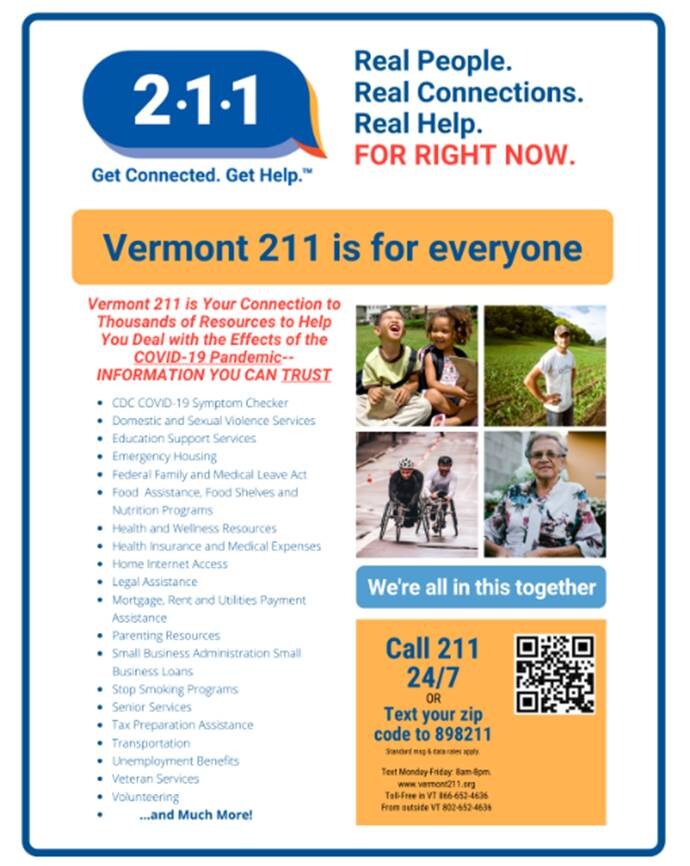
Vermont 211 Is Here To Help Caregivers During the Covid-19 Pandemic

Are you concerned about meeting your basic needs during this pandemic?  Do you want to find a way to help others?   Vermont 211 is where you’ll find information to help you navigate today’s constantly changing circumstances.

211’s community resource specialists are available by phone 24/7 to help you find answers to your questions—providing information you can trust, and referrals to over 1,000 organizations that have been vetted: federal, state and local entities; non-profit organizations; churches, service organizations, and civic groups.

Because of the heightened demand for 211’s service right now, you may need to leave a message with a callback number—but it’s worth the brief wait to get personal support from a highly-trained specialist who can save you a lot of time, effort and stress.

You may also contact our specialists by texting your zip code to 898211
M-F 8am-8pm--or search our community resource directory at vermont211.org at any time.  211: Get Connected. Get Help.

211 (1).jpg

Three Free Apps for Caregivers

It’s easy to turn to our handheld devices when we want to relax: scroll through some Facebook, stream some music, watch a hilarious YouTube video… the options are endless! When we need to feel supported as caregivers, we can find that through technology too, with thousands of uplifting, positive quotes at our fingertips.

Like this one:

from: lifeaftercaregiving.wordpress.com

from: lifeaftercaregiving.wordpress.com

Did you know though, that when we are at work as caregivers, we can also use technology to help ourselves, and the clients we serve?

Here are 3 free apps that you can use with seniors…

Caregiver Apps Page 1.jpg
Caregiver Apps Page 2.jpg

These are only three of MANY free apps available to caregivers. What apps do you use with the seniors you serve? Share in the comments!

Click here to download this post as a PDF

Four At Home Senior Care offices throughout your communities- and why that's important

Strolling around Manchester, Vermont, you probably have noticed At Home Senior Care’s cheery, green office across from Northshire Bookstore. In the surrounding areas, our offices are as distinctive as the services we provide.

Our Rutland office has an eye-catching Victorian house style design; in Bennington, it’s an adorable scallop shingle detailing; our Middlebury office along VT-125 is a beauty with its tree-filled landscape. Four lovely At Home Senior Care offices: run by staff and caregivers who are passionate about serving the needs of our local communities.

Buildings do not a community make, though. Instead, it is the relationships built and services provided through these buildings that make At Home Senior Care the desirable in-home care service for your senior family member. We are firmly part of the Vermont landscape, but more importantly, we are fervent believers in the place we hold within our Vermont COMMUNITY as senior care experts. We offer many types of care, including companionship, respite, personal, and home helper. We develop care management plans for seniors and provide services to support the measures put in place by the plan.

Stop by any of our offices to discuss the senior care journey you are on. Perhaps you are looking for some of the care services we provide. Maybe you don’t need a plan for an elder loved one. Perhaps you need some caregiving resources, or someone to talk to, or a strong cup of coffee to help you through the day. We’ve got you covered! Take that first step into one of our four offices and find out for yourself that we are so much more than brick and mortar buildings.

Helpful Tips when Caring for an Aging Parent

1. Start with a candid conversation. Talk with your parents about how you can or will be helping them to meet their needs. Unless they are severely incapacitated, they should continue to make their own decisions and remain a central part of all discussions about their care. Encourage them to articulate their concerns: Most likely, your parents are worried about becoming a burden and losing control of their lives. Have an open conversation about what role your parents want you to play. Establish limits so they don't form unrealistic expectations.

2. Set your priorities. Make a list of what needs to get done and how you plan to do it. An organized approach puts you in control, reduces stress and ensures that your parents get the assistance they need. Be sure to create backup plans and ask others to serve as reinforcements if necessary. Write down your plans and schedules and give a copy to all involved family members. Consider using an online scheduling tool to organize and keep track of who's doing what, when. 

3. Build a support network. In most families, one person assumes the role of primary caregiver. But that doesn't let others off the hook. Enlist the help of your siblings, of course, but also consider that cousins, nieces and nephews may be eager to help. Don't forget to include your friends, distant relatives, neighbors and acquaintances, such as members of your parents' civic or religious groups. Not all of these folks will volunteer to help, but many will get involved if you ask. Some, in fact, may feel hurt or left out if you don't seek their assistance.

4. Don't be afraid to delegate. Ask a friend to pick up groceries or get books from the library, a neighbor's child to adopt your parent as a grandparent, or a local teenager to help with yard work for a manageable fee. Investigate whether a civic group can provide free home repair or transportation services. Ask the newspaper carrier, a barber or an apartment superintendent to keep an eye out for your parents and to call you if anything seems wrong.

5. Offer alternatives. With family members, don't accept excuses for not helping without offering alternatives. A sibling who lives far away, for example, can help with paying bills, contacting doctors' offices or seeking support from local agencies. Siblings who have young children can cook meals or bring kids along for visits and outings.

6. Hold family meetings. Schedule them regularly and bring in distant family by phone. Choose a neutral party to moderate if necessary. Draw up a clear agenda for each meeting, and agree on rules of conduct — for instance, don't interrupt, stick to time limits, avoid argument and focus the discussion on how to care for your parents. If meetings tend to be contentious, consider hiring a geriatric care manager to run the meeting.

7. Involve your children. When you have parents and children who need your time and attention, you may feel pulled from both sides. Be honest with your children about the situation and listen to their concerns. Encourage their questions and answer them thoroughly. Carve out time for fun activities and request your children's help. Teenagers can drive Grandma to the store, and even a toddler can make her feel loved.

8. Talk to your spouse. Have a discussion with your partner about your caregiving responsibilities. What role do you expect him or her to play? Suggest specific ways your spouse can help and show appreciation for his or her efforts. Recognize that your responsibilities affect your spouse and encourage him or her to talk about any frustrations. Your relationship is a priority — keep it that way.

Your To-Do List:

Determine housing options and preferences: With your parents, discuss whether they want to continue to care for their home or whether they have considered living elsewhere. Depending on their health and well-being, they can either stay in their home with some changes and additional help from a qualified home care company or consider other options such as an assisted living residence or a continuing care retirement community.  Discuss what goals your parents have and what is realistic for them financially and emotionally.

Research helpful services: Consider home care, adult day services, meal delivery and help with everyday activities such as preparing meals and doing laundry.  Enlist support from a Professional Elder Care Manager / Aging Life Coordinator.

Learn medical history: Ask your parents about any medical conditions or health problems and get a list of their doctors and medications. If your parents are unclear about the details, ask if you can go with them on their next visit to the doctor.

Assemble contact list: Gather names and contact information for those in your parents' personal support system. This should include close relatives and friends, neighbors, friends from their place of worship, clergy, housing managers or apartment front-desk staff, and even the local pharmacist.

Create a financial profile: While this information may be difficult to obtain, it is critical to have. Make a list of income sources such as Social Security and pensions, monthly and yearly income and expenses, bank accounts and investments, and a statement of net worth.

Review legal needs: Work with your parents to determine what relevant legal documents they have or want to have (wills, advance directives such as living wills, health care proxy forms, trusts and powers of attorney). Locate important documents, including their birth certificates, deed to home and insurance policies, and find out if they are up to date and express their current wishes.

Make a list of important accounts: Include Social Security numbers, bank accounts, credit cards, health and life insurance policies, and driver's licenses.


For more information and resources, please give us a call at 802-768-8565.  We have professional elder care specialists available to help you and your family navigate the road ahead.